
What is subsidence?
Subsidence is the downward movement of the ground beneath a building, which causes the foundations to sink. This movement can lead to structural damage, most commonly seen as cracks in walls, ceilings, or floors.
It’s different from:
- Settlement – natural, early movement of a new building (usually harmless)
- Heave – upward movement of the ground (often after trees are removed)
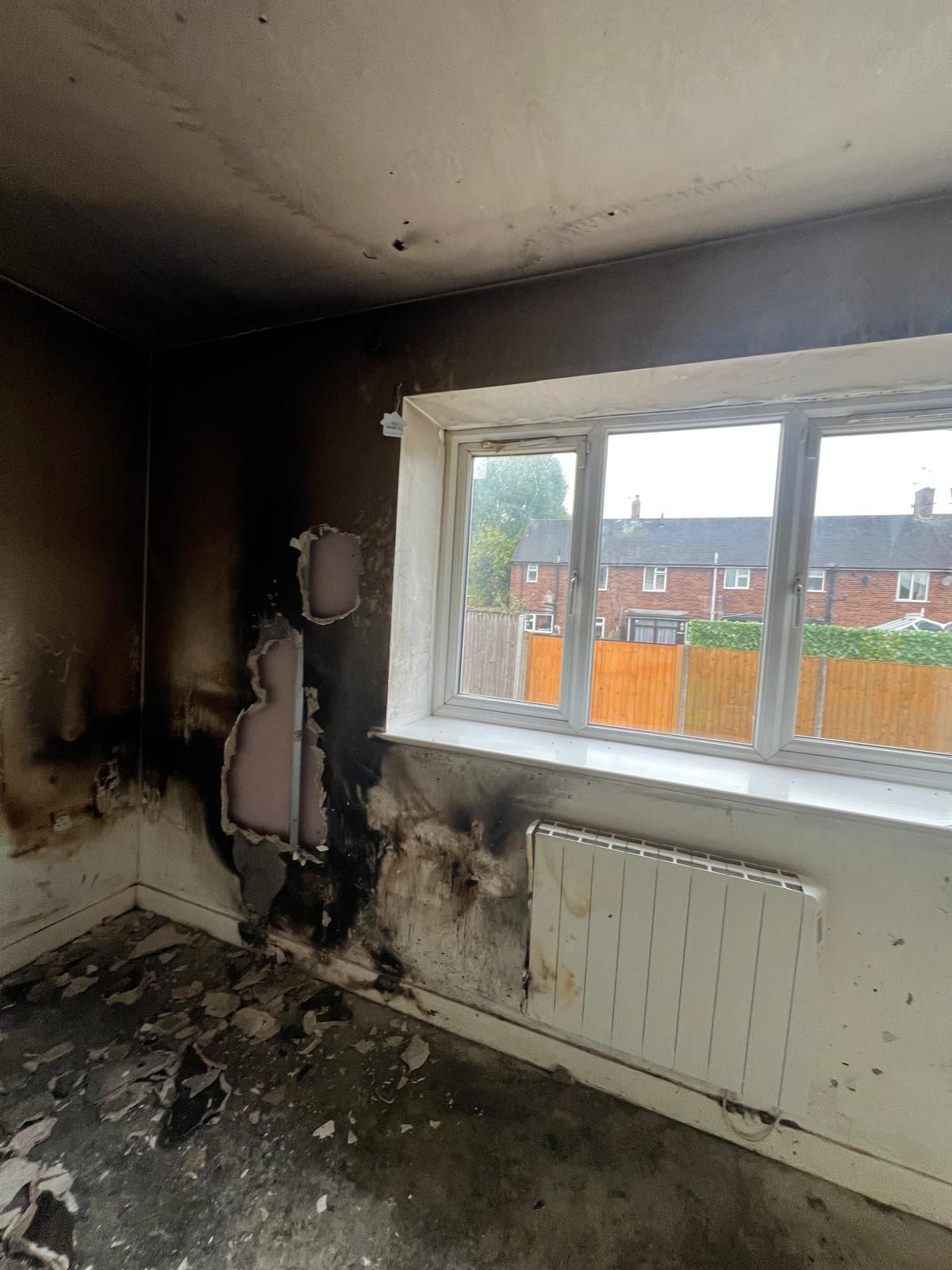
Fire Damage Repairs
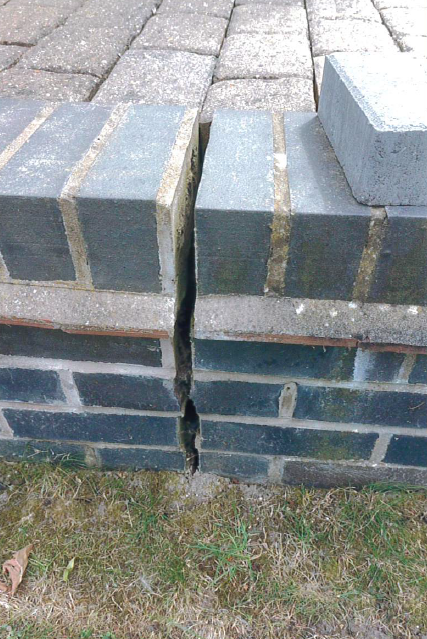
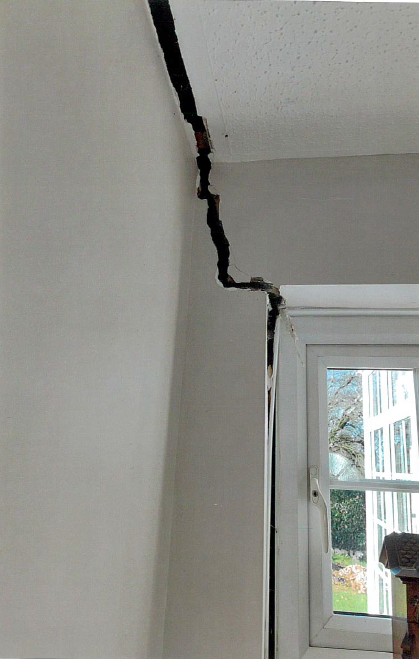
Typical warning signs include:
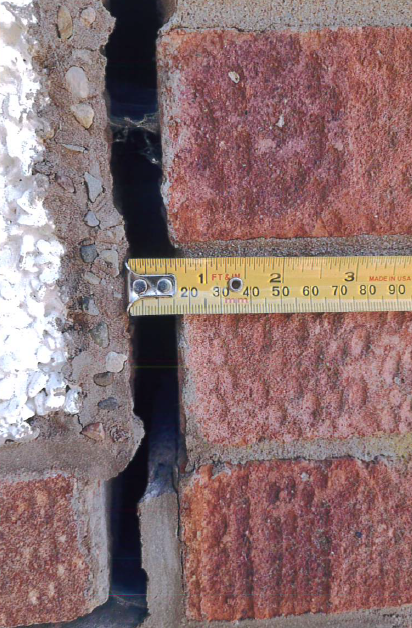
- Diagonal cracks (often wider at the top than bottom)
- Cracks wider than ~3mm
- Doors or windows sticking or misaligning
- Sloping or uneven floors
- Gaps between walls and ceilings.
-
Hairline cracks alone don’t necessarily mean subsidence.
How subsidence is investigated
- Structural survey by a qualified surveyor or engineer
- Monitoring cracks over time
- CCTV drain surveys
- Soil testing (especially for clay content)
- Tree/root analysis
This process can take months to confirm ongoing movement.
How subsidence is fixed
Solutions depend on the cause:
- Repairing or replacing drains
- Managing or removing trees
- Improving drainage
- Underpinning (strengthening foundations)
- Resin or grout injection (in some cases)
Many cases are resolved without underpinning.
Insurance and property value
- Subsidence is usually covered by buildings insurance
- Claims can take time but are common and manageable
- Once properly repaired, many properties remain stable long-term
- Past subsidence must be disclosed when selling
Subsidence Caused By Vegetation
How vegetation causes subsidence
- Tree roots absorb significant amounts of water
- Clay soils shrink as moisture content drops
- Foundations lose support and move downward
- Movement is usually uneven (differential), leading to cracking
Roots rarely damage foundations directly — the issue is soil desiccation, not physical root pressure.
Highest-risk conditions
- Shrinkable clay soils
- Shallow foundations (common in older properties)
- Large or mature trees close to the building
- South- or west-facing elevations (greater drying)
- Extended dry periods
Common vegetation involved
- Trees: oak, willow, poplar, elm, plane
- Large shrubs and hedges: leylandii, laurel
Risk increases when vegetation is within its mature height distance of the building.
Typical signs
- Diagonal cracks, often tapering
- Cracks opening during summer and closing in winter
- Localised damage on the elevation nearest vegetation
- Sticking doors or windows
Management and repair
- Pruning or phased reduction of trees
- Root barriers in some cases
- Controlled or staged tree removal (to avoid heave)
- Monitoring before structural repairs
- Most vegetation-related subsidence cases are resolved without underpinning
HELLO WORLD
This is the text area for this paragraph. To change it, simply click and start typing. Once you've added your content, you can customize its design.
This is a short title
This is the text area for this paragraph. To change it, simply click and start typing. Once you've added your content, you can customize it.
This is a short title
This is the text area for this paragraph. To change it, simply click and start typing. Once you've added your content, you can customize it.
This is a short title
This is the text area for this paragraph. To change it, simply click and start typing. Once you've added your content, you can customize it.
This is a short title
This is the text area for this paragraph. To change it, simply click and start typing. Once you've added your content, you can customize it.
This is a short title
This is the text area for this paragraph. To change it, simply click and start typing. Once you've added your content, you can customize it.
This is a short title
This is the text area for this paragraph. To change it, simply click and start typing. Once you've added your content, you can customize it.
HELLO WORLD
This is the text area for this paragraph. To change it, simply click and start typing. Once you've added your content, you can customize its design.
This is a short title
This is the text area for this paragraph. To change it, simply click and start typing. Once you've added your content, you can customize it.
This is a short title
This is the text area for this paragraph. To change it, simply click and start typing. Once you've added your content, you can customize it.
This is a short title
This is the text area for this paragraph. To change it, simply click and start typing. Once you've added your content, you can customize it.
This is a short title
This is the text area for this paragraph. To change it, simply click and start typing. Once you've added your content, you can customize it.
This is a short title
This is the text area for this paragraph. To change it, simply click and start typing. Once you've added your content, you can customize it.
This is a short title
This is the text area for this paragraph. To change it, simply click and start typing. Once you've added your content, you can customize it.