

What is subsidence?
Subsidence is the downward movement of the ground beneath a building, which causes the foundations to sink. This movement can lead to structural damage, most commonly seen as cracks in walls, ceilings, or floors.
It’s different from:
- Settlement – natural, early movement of a new building (usually harmless)
- Heave – upward movement of the ground (often after trees are removed)
Causes of Subsidence
Vegetation
Vegetation-related subsidence occurs when trees or large shrubs remove moisture from the soil beneath a building’s foundations, causing the ground especially clay soils to shrink and lose volume.
Drains
Drain- and pipe-related subsidence occurs when leaking, fractured, or collapsed drains or water pipes wash away or soften the soil beneath a building’s foundations, reducing ground support and causing downward movement.
Landslide
Landslide-related subsidence occurs when a slope or embankment supporting a property becomes unstable and moves downslope, causing foundations to drop, rotate, or distort. This is driven by ground movement on a slope, rather than soil shrinkage or wash-out alone.
Signs of Subsidence to look for -
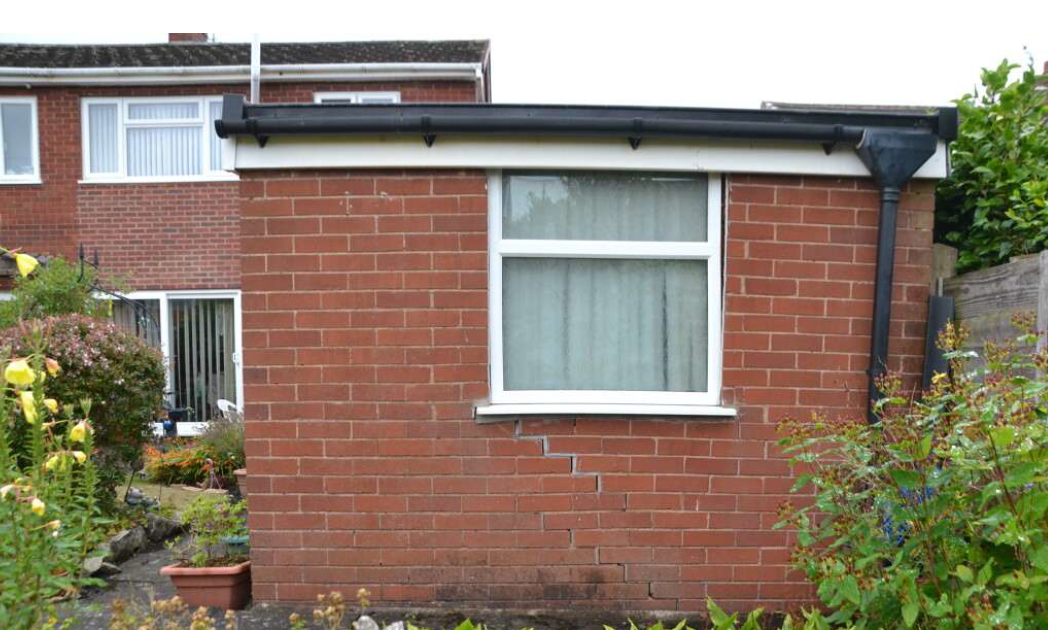
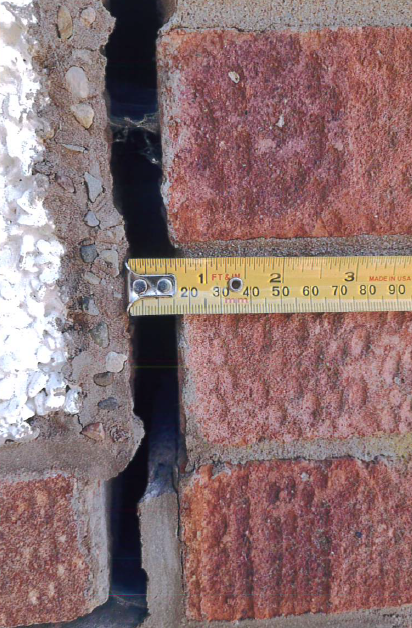
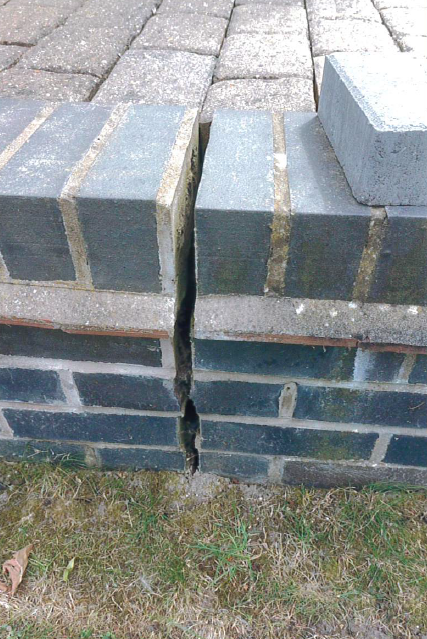
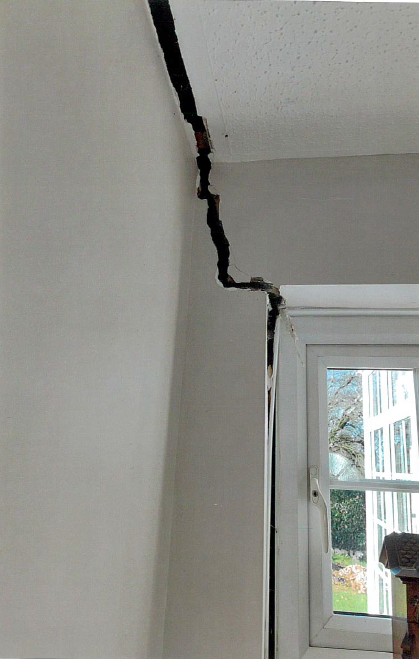
Typical warning signs include:
- Diagonal cracks (often wider at the top than bottom)
- Cracks wider than ~3mm
- Doors or windows sticking or misaligning
- Sloping or uneven floors
- Gaps between walls and ceilings.
Hairline cracks alone don’t necessarily mean subsidence.
How subsidence is investigated
- Structural survey by a qualified surveyor or engineer
- Monitoring cracks over time
- CCTV drain surveys
- Soil testing (especially for clay content)
- Tree/root analysis
This process can take months to confirm ongoing movement.
How subsidence is fixed
Solutions depend on the cause:
- Repairing or replacing drains
- Managing or removing trees
- Improving drainage
- Underpinning (strengthening foundations)
- Resin or grout injection (in some cases)
Many cases are resolved without underpinning.
Insurance and property value
- Subsidence is usually covered by buildings insurance
- Claims can take time but are common and manageable
- Once properly repaired, many properties remain stable long-term
- Past subsidence must be disclosed when selling
Subsidence Caused By Vegetation
How vegetation causes subsidence
- Tree roots absorb significant amounts of water
- Clay soils shrink as moisture content drops
- Foundations lose support and move downward
- Movement is usually uneven (differential), leading to cracking
Roots rarely damage foundations directly — the issue is soil desiccation, not physical root pressure.
Highest-risk conditions
- Shrinkable clay soils
- Shallow foundations (common in older properties)
- Large or mature trees close to the building
- South- or west-facing elevations (greater drying)
- Extended dry periods
Common vegetation involved
- Trees: oak, willow, poplar, elm, plane
- Large shrubs and hedges: leylandii, laurel
Risk increases when vegetation is within its mature height distance of the building.
Typical signs
- Diagonal cracks, often tapering
- Cracks opening during summer and closing in winter
- Localised damage on the elevation nearest vegetation
- Sticking doors or windows
Management and repair
- Pruning or phased reduction of trees
- Root barriers in some cases
- Controlled or staged tree removal (to avoid heave)
- Monitoring before structural repairs
- Most vegetation-related subsidence cases are resolved without underpinning
Subsidence Caused by Damaged Drains & Pipes
How it happens
- Leaks from pipes or drains release water into the soil
- Fine particles are washed away, creating voids
- Ground strength and bearing capacity are reduced
- Foundations move unevenly, causing structural cracking
Unlike vegetation-related subsidence, drain-related movement can develop quickly if the leak is significant.
Common Signs
- Cracks appearing suddenly or worsening rapidly
- Damage concentrated near kitchens, bathrooms, or drainage runs
- Persistent damp patches or unexplained water usage
- Soft or sunken ground outside the property
- Drainage issues or foul odours
Investigation
Confirmation usually involves:
- CCTV drain surveys
- Pressure testing of water pipes
- Structural assessment of cracking
- Localised ground investigation if voids are suspected
Drain-related subsidence is often easier to diagnose than other forms because the source of movement can be clearly identified.
Repair & Resolution
- Repairing or replacing damaged drains or pipes
- Reinstating or stabilising affected ground
- Monitoring to confirm movement has stopped
- Carrying out structural repairs once stability is proven
In many cases, underpinning is not required if the problem is addressed early.
Subsidence caused by Landslides
How it happens
- Soil or rock loses strength, often due to excess water
- A slip surface develops within the slope
- Ground moves downhill under its own weight
- Foundations move with the ground mass, causing distortion
Movement may be sudden after heavy rainfall, or slow and progressive over time.
Common Causes
- Prolonged or intense rainfall
- Poor or blocked drainage
- Weak soil layers within a slope
- Made ground or poorly compacted fill
- Excavations or added loads near slope edges
- Failure of retaining walls or slope support structures
Typical Signs
- Cracking across multiple elevations of a building
- Diagonal or stepped cracks that continue through walls and floors
- Leaning walls, chimneys, or retaining walls
- Sloping floors or noticeable building tilt
- Ground cracks, bulging, or depressions outside the property
Damage is often widespread, not confined to one small area.
Investigation
Diagnosis usually requires specialist input and may include:
- Structural and geotechnical surveys
- Boreholes and soil testing
- Slope movement monitoring
- Drainage assessments
- Review of historical ground movement or weather events
A geotechnical engineer is typically required to confirm landslide-related subsidence.
Repair & Resolution
- Improving surface and underground drainage
- Reducing loads on the slope
- Constructing or strengthening retaining walls
- Installing ground anchors or soil nails
- Piled or reinforced foundation solutions
Landslide-related subsidence is often more complex than other types but can be successfully managed with appropriate engineering solutions.